
Innovative Eco-Friendly Building Methods in Canada
- rajconstructionsin3
- Jan 26
- 3 min read
Canada is at the forefront of adopting innovative eco-friendly building methods that aim to reduce environmental impact while enhancing energy efficiency and occupant comfort. As the construction industry evolves, new techniques and materials are being embraced to create sustainable, resilient, and cost-effective buildings. This article explores some of the most promising sustainable construction methods transforming the Canadian landscape.
Embracing Eco-Friendly Building Methods in Canadian Construction
Eco-friendly building methods focus on minimizing waste, reducing carbon footprints, and using renewable resources. In Canada, these methods are gaining traction due to increasing environmental awareness and government incentives. Builders and developers are integrating green technologies and materials to meet stringent energy codes and sustainability goals.
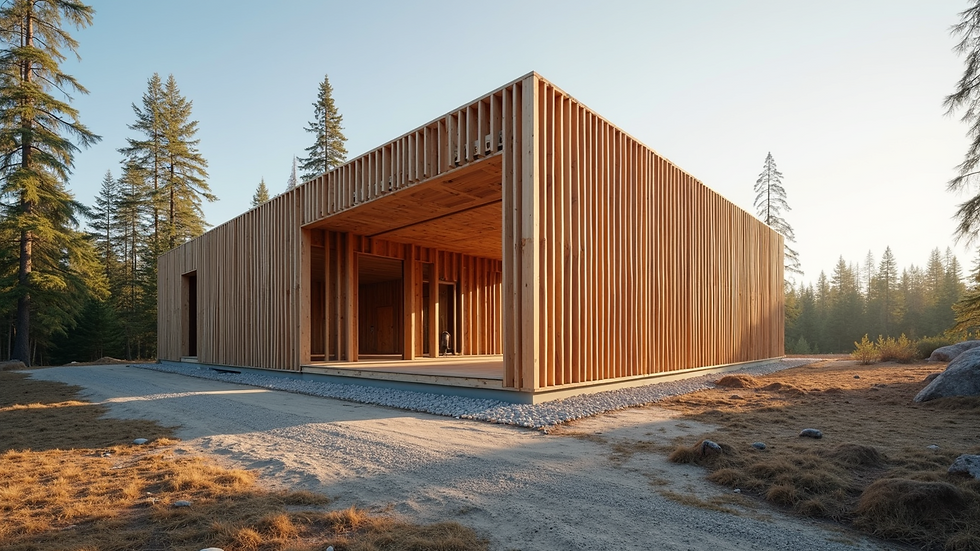
One popular approach is the use of mass timber construction, which utilizes engineered wood products like cross-laminated timber (CLT). This method offers several benefits:
Reduced carbon emissions compared to steel and concrete
Faster construction times due to prefabrication
Enhanced thermal performance and natural aesthetics
For example, the Brock Commons Tallwood House at the University of British Columbia is a pioneering 18-storey student residence built primarily with mass timber. It demonstrates how eco-friendly building methods can be applied to large-scale projects while maintaining structural integrity and sustainability.
Innovative Materials Driving Sustainable Construction
The choice of materials plays a crucial role in sustainable construction. Canadian builders are increasingly turning to materials that are renewable, recyclable, or have low embodied energy. Some innovative materials include:
Recycled steel and concrete: Using recycled content reduces the demand for virgin resources and lowers greenhouse gas emissions.
Hempcrete: A bio-composite made from hemp hurds and lime, offering excellent insulation and carbon sequestration properties.
Green insulation materials: Options like cellulose, sheep’s wool, and cork provide natural alternatives to synthetic insulation.
In addition to materials, green roofs and living walls are becoming popular for their ability to improve air quality, reduce urban heat island effects, and manage stormwater runoff. These features also enhance building aesthetics and provide habitat for local wildlife.
Energy Efficiency Technologies in Canadian Buildings
Energy efficiency is a cornerstone of sustainable construction. Canadian builders are integrating advanced technologies to reduce energy consumption and reliance on fossil fuels. Some key technologies include:
High-performance windows and doors: Triple-glazed windows with low-emissivity coatings help retain heat during cold winters and keep interiors cool in summer.
Heat recovery ventilation systems: These systems exchange stale indoor air with fresh outdoor air while recovering heat, improving indoor air quality and reducing heating costs.
Solar panels and geothermal systems: Renewable energy sources are increasingly incorporated into building designs to generate clean power and provide heating and cooling.
Smart building automation systems also optimize energy use by adjusting lighting, heating, and cooling based on occupancy and weather conditions. These technologies contribute to lower utility bills and a smaller carbon footprint.

Practical Steps for Implementing Sustainable Construction Methods
For builders and developers interested in adopting sustainable construction methods, here are some actionable recommendations:
Conduct a site assessment to understand local climate, soil conditions, and available resources.
Choose materials wisely by prioritizing locally sourced, renewable, and recycled products.
Incorporate energy-efficient designs such as passive solar orientation, natural ventilation, and high insulation levels.
Engage with green building certification programs like LEED or the Canadian Green Building Council’s Zero Carbon Building Standard to guide and validate sustainability efforts.
Collaborate with experienced architects and engineers who specialize in eco-friendly building methods.
Plan for waste reduction by implementing construction waste management and recycling strategies.
By following these steps, construction projects can achieve significant environmental benefits while meeting regulatory requirements and market demand for green buildings.
The Future of Sustainable Construction in Canada
The future of construction in Canada is bright with continued innovation in eco-friendly building methods. Emerging trends include:
Modular and prefabricated construction: These methods reduce waste, improve quality control, and shorten construction timelines.
Net-zero energy buildings: Structures designed to produce as much energy as they consume, often through a combination of efficient design and renewable energy systems.
Circular economy principles: Designing buildings for disassembly and reuse of materials to minimize landfill waste.
Government policies and incentives will continue to support the adoption of these methods, encouraging the industry to push boundaries and develop new solutions. As awareness grows, more Canadians will benefit from healthier, more sustainable living and working environments.
Innovative sustainable construction methods are not just a trend but a necessary evolution for the Canadian construction industry. By embracing these approaches, Canada can lead the way in building a greener, more resilient future.


Comments